
About UNITAR
The United Nations Institute for Training and Research (UNITAR), established in 1963, serves as the training arm of the United Nations. As a specialised UN agency, it provides innovative learning solutions designed to enhance global decision-making and support the achievement of the Sustainable Development Goals (SDGs). UNITAR focuses on offering customised training to individuals and organisations, particularly in developing countries, including Least Developed Countries (LDCs) and Small Island Developing States (SIDS).
Aligned with the 2030 Agenda, UNITAR’s work centres on key pillars such as Peace, People, Planet, and Prosperity. In 2022, it delivered over 1,300 activities, benefiting nearly 400,000 learners, 79% of whom were from developing countries.
Guided by the principle of “leaving no one behind”, UNITAR relies on voluntary contributions from donors, including UN Member States, international organisations, non-governmental organisations, and the private sector.
UNITAR’s Role in the CIFAL Global Network
UNITAR, through its Division for People and Social Inclusion, is responsible for the oversight, coordination, and support of the CIFAL Global Network, ensuring that its operations align with the regulations of the United Nations, the UNITAR Statute, and the institute’s Strategic Framework, policies, and programme aspects. To fulfil this role, UNITAR provides continuous monitoring and evaluation to maintain high standards across the network. It also offers ongoing assistance in learning, thematic, programme, and operational areas, ensuring that CIFAL centres remain aligned with global priorities.
Additionally, UNITAR facilitates capacity building at the local, national, and international levels through regular improvements, enhancing the quality and impact of CIFAL activities.
The institute also offers strategic advice and guidance to the network, ensuring that all operations and initiatives contribute effectively to the advancement of the Sustainable Development Goals (SDGs) and other global priorities.
UNITAR–CIFAL Joint Initiatives
UNITAR and the CIFAL Global Network collaborate on a wide range of impactful initiatives aimed at empowering communities and fostering
sustainable development across the globe. These joint efforts are closely aligned with the objectives of the 2030 Agenda for Sustainable Development
and the Sustainable Development Goals (SDGs). Through innovative training programs and capacity-building activities, they focus on promoting local
development, strengthening governance, and advancing social inclusion. The partnership’s work extends across various regions, engaging leaders
from government, civil society, and the private sector to create long-lasting, positive change in communities. By addressing key global challenges such
as poverty, inequality, climate action, and education, UNITAR and the CIFAL Global Network are driving transformative progress at both local and
international levels.
LEAP-FAST: Transforming Higher Education for a Sustainable Future
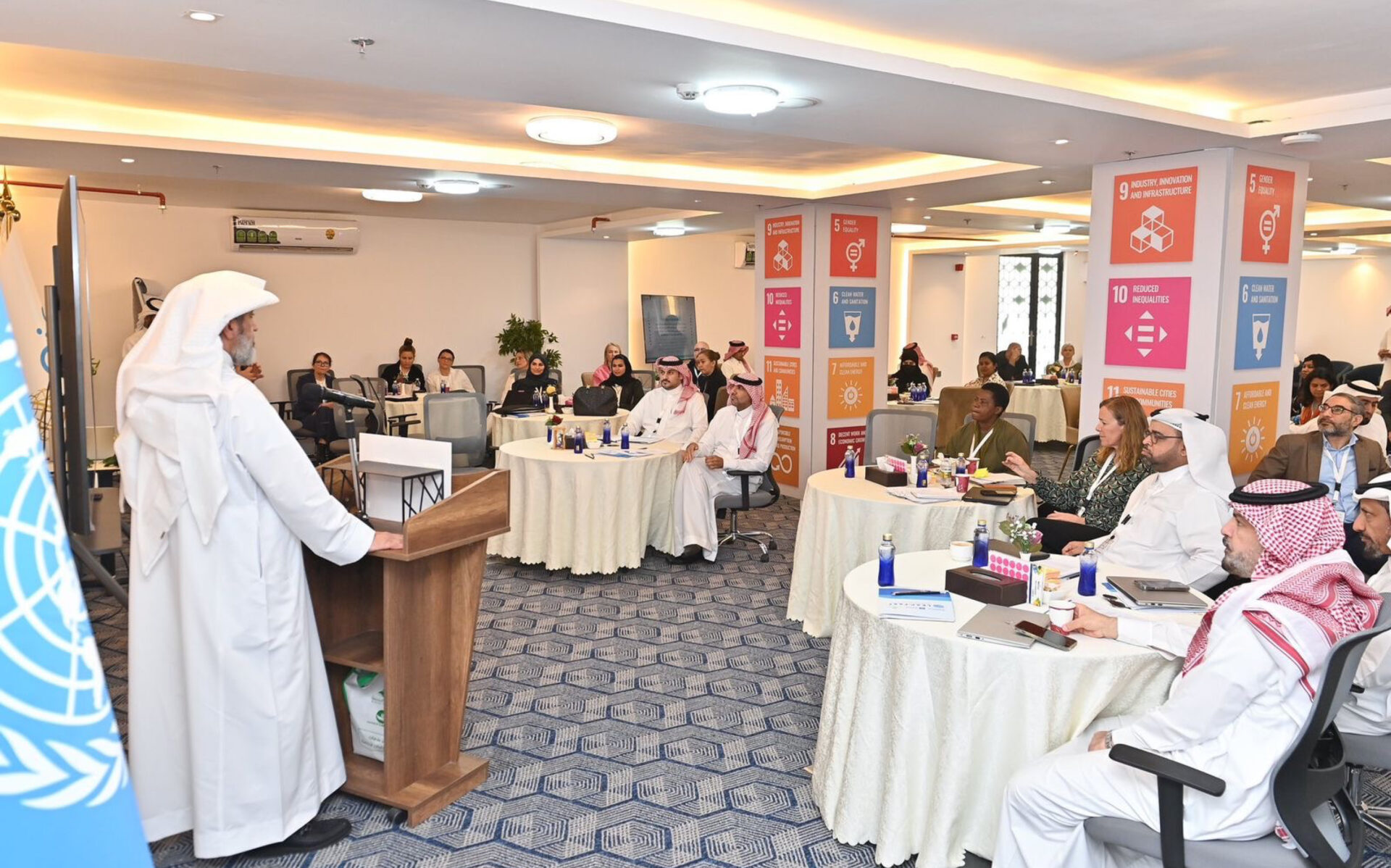
In 2025, UNITAR continued advancing the LEAP-FAST Programme—a global initiative designed to accelerate sustainability transformation across higher education institutions. Developed in partnership with UNESCO and supported by CIFAL Centres, LEAP-FAST empowers universities to act as catalysts for societal change by embedding sustainability, SDG competencies and transformative learning across their governance, curricula, research and community engagement. The programme brings together rectors, vice-chancellors, faculty leaders and institutional change-teams from around the world through high-level dialogues, co-creation workshops and the LEAP-FAST Certificate, which equips academic leaders with the tools to design and implement whole institution sustainability strategies.
Global Water Academy
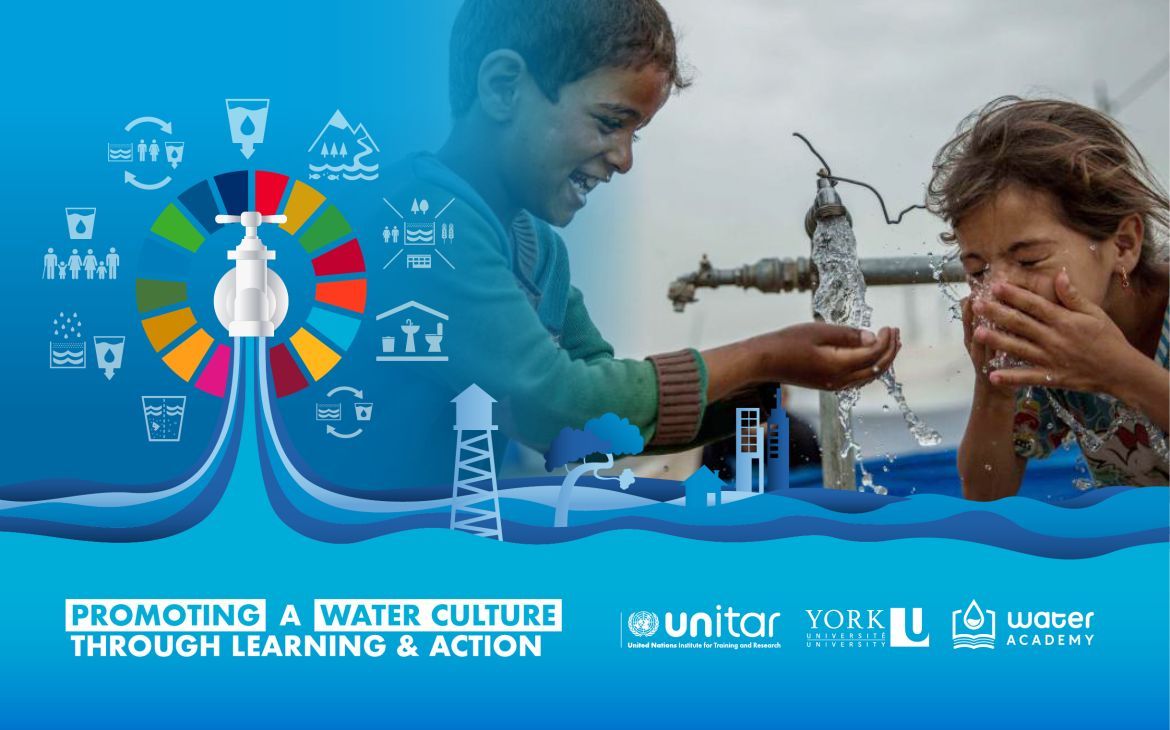
UNITAR’s Water Initiative addresses the global need for education and capacity-building in water management to support SDG 6 and the Water Action Agenda. Through its Water Academy, conferences, and training activities, the initiative promotes sustainable water management, knowledge transfer, and collaboration with academic and private sector partners. It focuses on building skills, fostering water ethics, and supporting vulnerable communities, such as Indigenous groups, in improving water management practices.
UNITAR & the Green Helmets Initiative
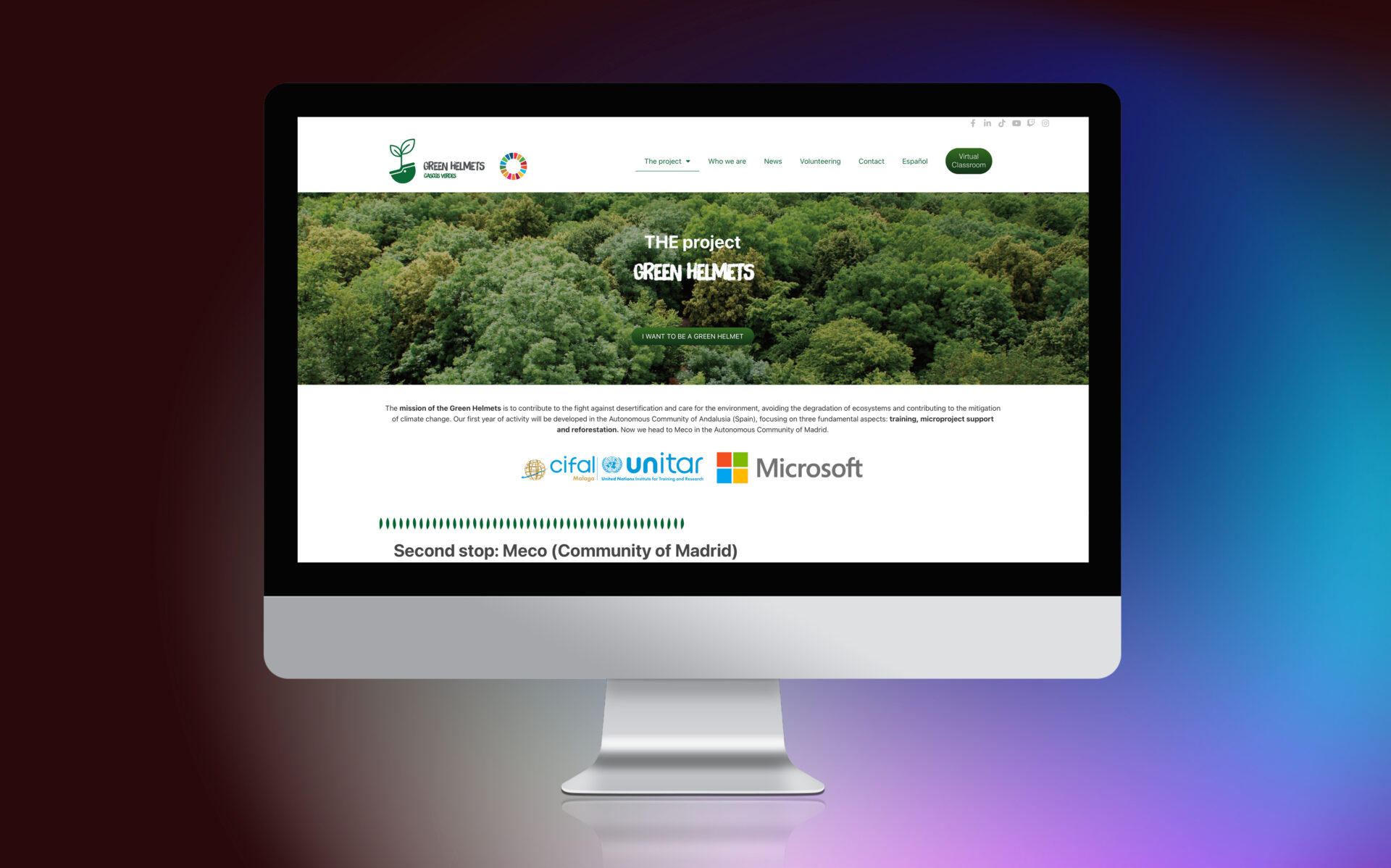
The Green Helmets Initiative created by the Andalusian Government in Spain, currently being implemented within the CIFAL Global Network, is an environmental education and ecological restoration programme that mobilizes youth and communities for climate action. Inspired by the ethos of UN peacekeeping, the initiative transforms the “helmet” symbol into one of environmental protection—empowering students, young professionals, and citizens to become active stewards of biodiversity, reforestation, and sustainable development. Through a blend of structured training and hands-on engagement, Green Helmets enables participants to understand global environmental challenges and translate them into local, community-driven solutions aligned with the 2030 Agenda. The central idea is to empower youth to become defenders of the environment, in the same way that UN Blue Helmets defend peace.
Strengthening Capacities of Airport and Aviation Leaders
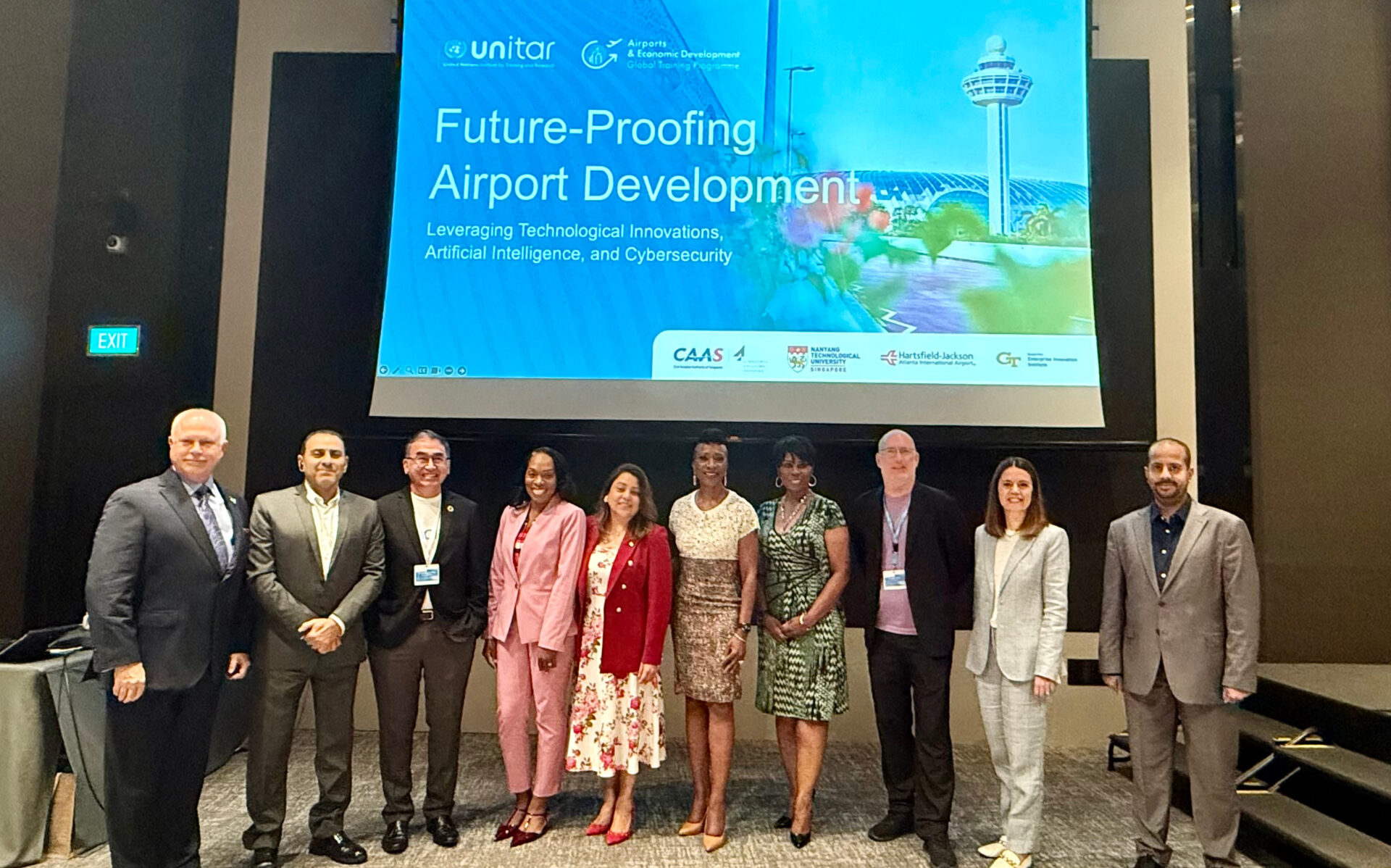
In 2025, CIFAL Atlanta and UNITAR’s Airports and Economic Development Global Training Programme has delivered four executive training workshops for 35 Civil Aviation Authorities and more than 200 airports from 76 countries. The Programme focuses on strengthening individual and institutional capacities to build future ready smart, inclusive, resilient and sustainable airports.
Establishing a Regional Centre of Excellence for Digital Health
and SDG Implementation
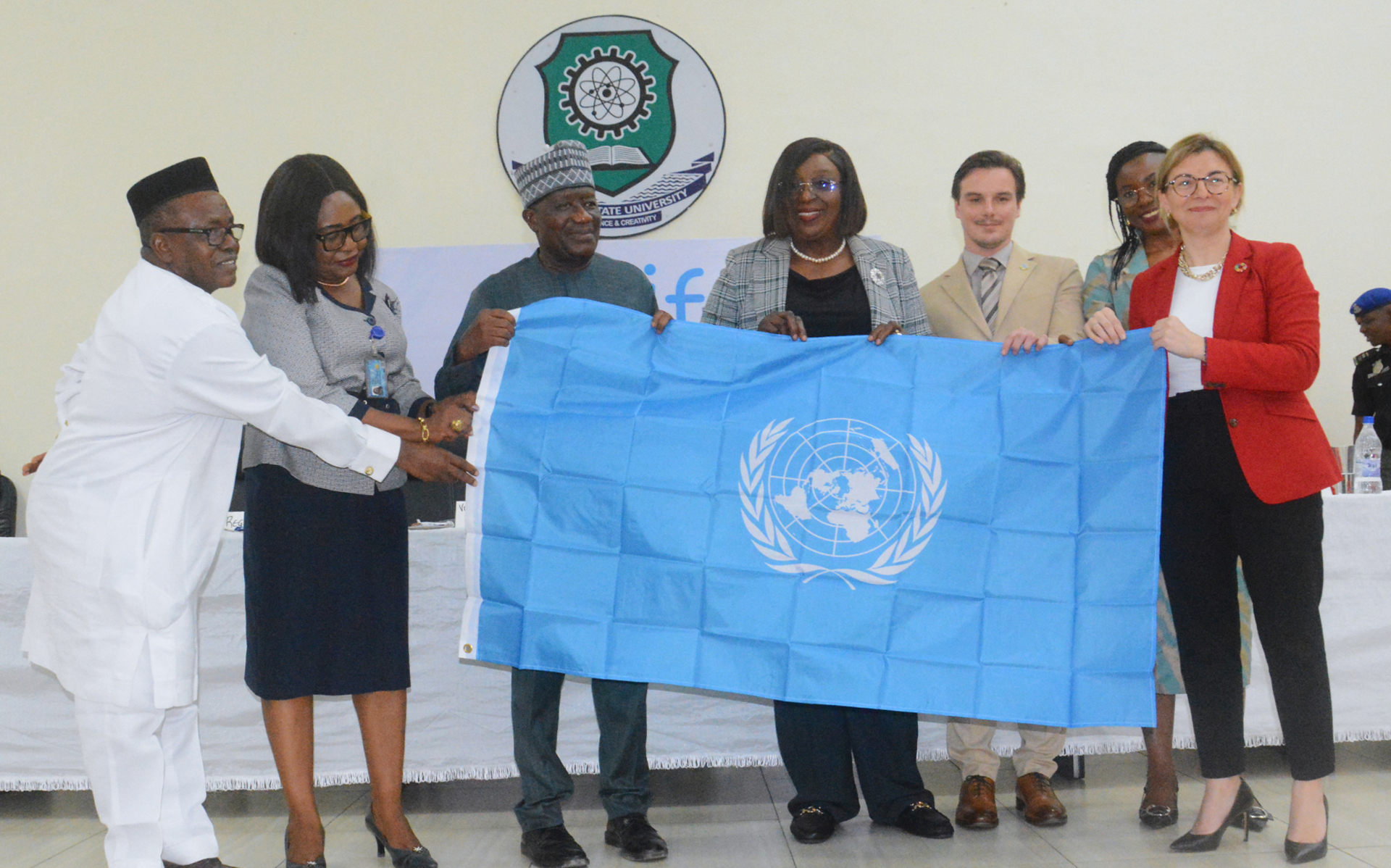
The year 2025 marked a significant milestone for UNITAR with the official launch of CIFAL Nigeria, hosted by Rivers State University in Port Harcourt. The ceremony, held on 28 January 2025, celebrated the establishment of a new centre dedicated to strengthening leadership and advancing sustainable development in Rivers State and across Nigeria. Through this partnership, UNITAR and Rivers State University have created a hub designed to equip public servants, policymakers, and community leaders with the skills required to address complex governance and development challenges. The launch included the signing of the Cooperation Agreement and a symbolic United Nations flag handover, formally integrating the new centre into the CIFAL Global Network.
Safe Mobility 4 All and 4 Life Initiative Benefits 13 Countries
in Latin America
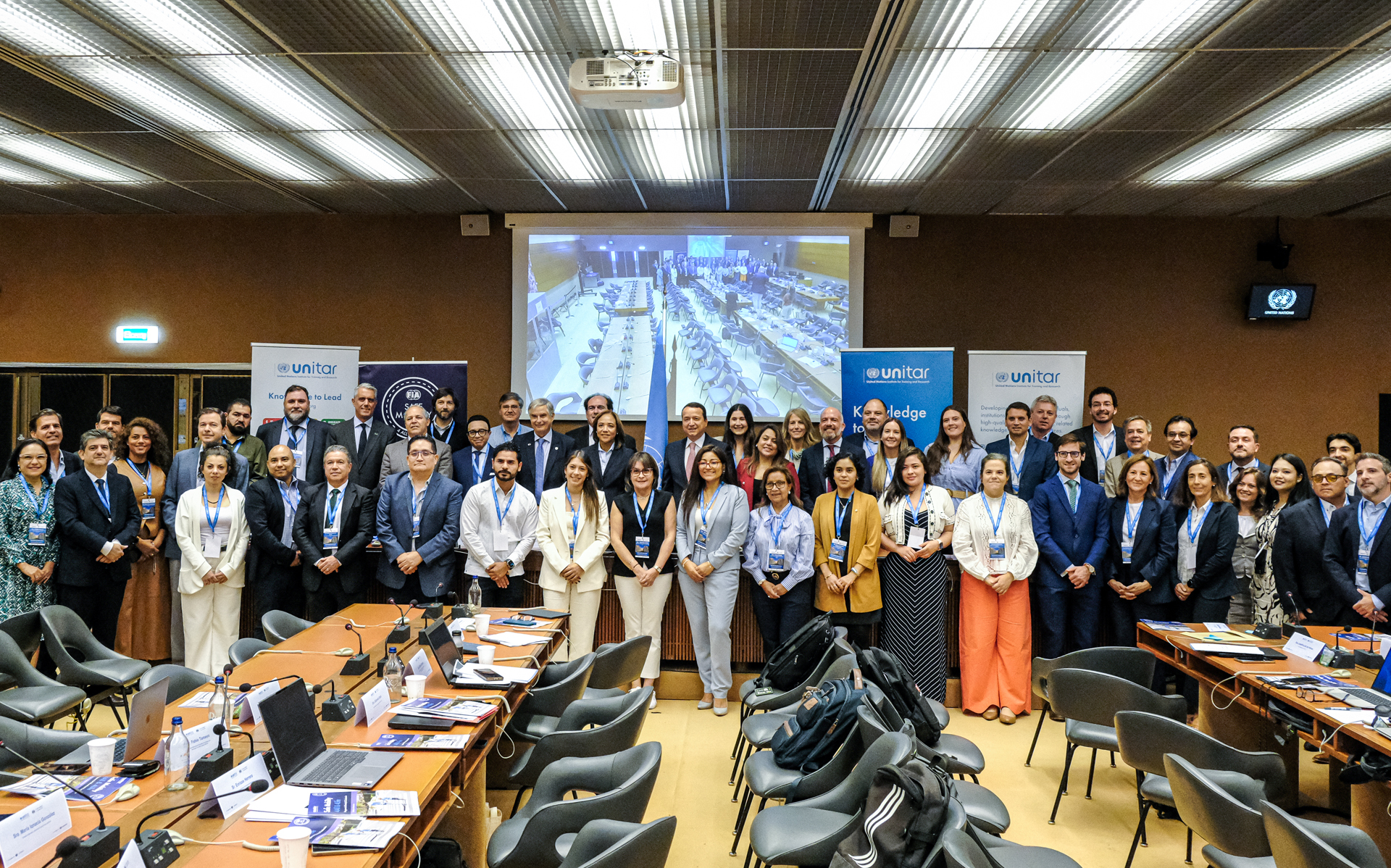
In 2025, the Safe Mobility 4 All and 4 Life (SM4A&4L) initiative in partnership with CIFAL Madrid has benefited 13 countries from Latin America through training and the co-design of projects that address the region’s pressing road safety and mobility related challenges. Throughout the year, participants engaged in a comprehensive training curriculum covering key road safety aspects related to children, youth, adults and seniors. Delivered through 56 online learning modules, mentoring sessions, and in-person workshops, the SM4A&4L 2025 edition culminated in a graduation ceremony in Geneva.