
Impact
In 2025, the CIFAL Global Network advanced significantly in its efforts to strengthen governance, refine strategic direction, and consolidate its global training footprint. Throughout the year, UNITAR undertook extensive coordination, monitoring, and performance-analysis processes designed to ensure that the Network’s operations remain aligned with the evolving priorities of the United Nations, the new UNITAR Strategic Framework 2026–2029, and the needs of the more than 30 CIFAL Centres operating worldwide. This process supported the continuous improvement of policies, frameworks, tools, and guidance documents to reinforce the Network’s capacity to deliver high-quality, locally relevant, and SDG-aligned learning solutions.
To ensure that updates accurately reflected the realities of each Centre, UNITAR engaged in direct consultations and regular coordination with CIFAL Directors and their teams. These exchanges—conducted through monthly coordination calls, bilateral meetings, and targeted follow-ups—were essential in gathering feedback, addressing operational questions, and clarifying reporting requirements.
This participatory approach not only strengthened the effectiveness and usability of the tools developed throughout the year, but also fostered a culture of shared accountability, transparency, and collaborative governance across the Network.
As a result, 2025 marked a year of consolidation and strategic fine-tuning, reinforcing the Network’s ability to empower institutions, local authorities, practitioners, and communities. By grounding training delivery in updated policies, improved monitoring instruments, and evidence-based decision-making, the CIFAL Global Network ensured that its Centres were equipped to design impactful programmes, expand outreach, and advance the transformative vision of the Sustainable Development Goals.
CGN Beneficiaries in 2025
Overall results
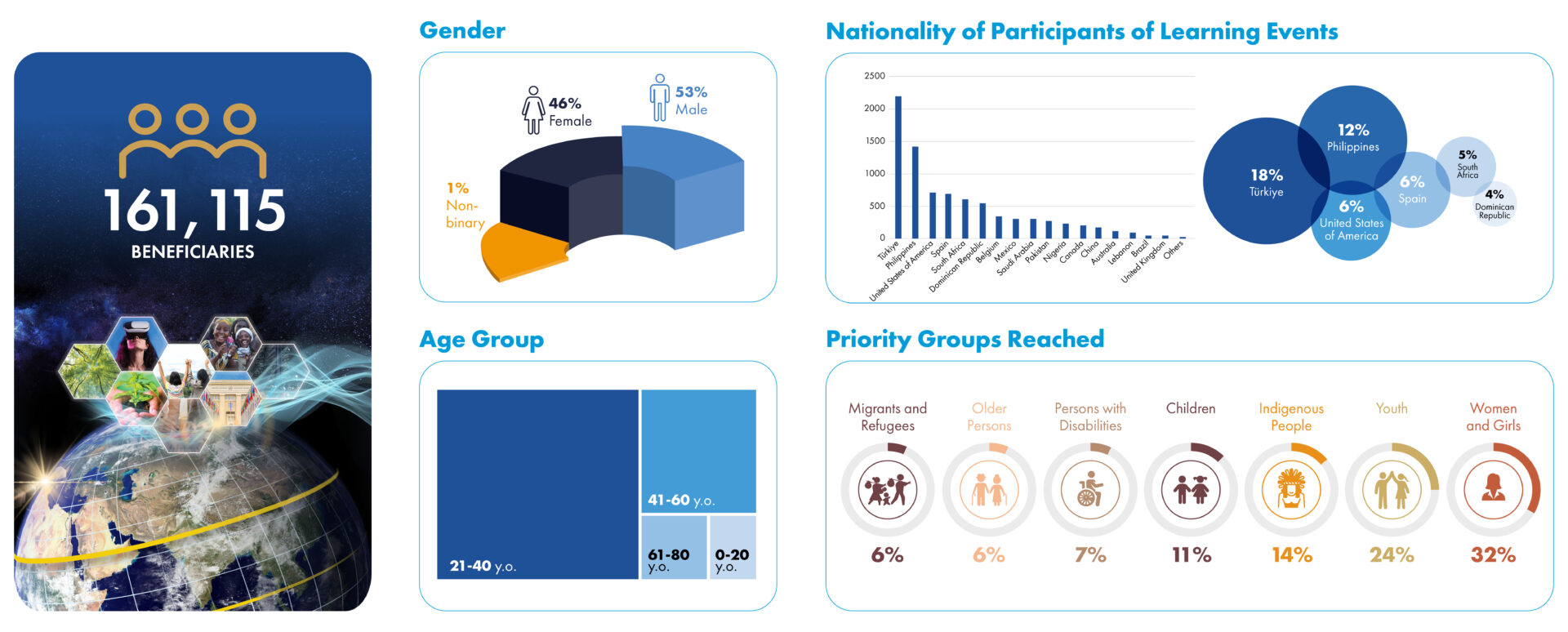
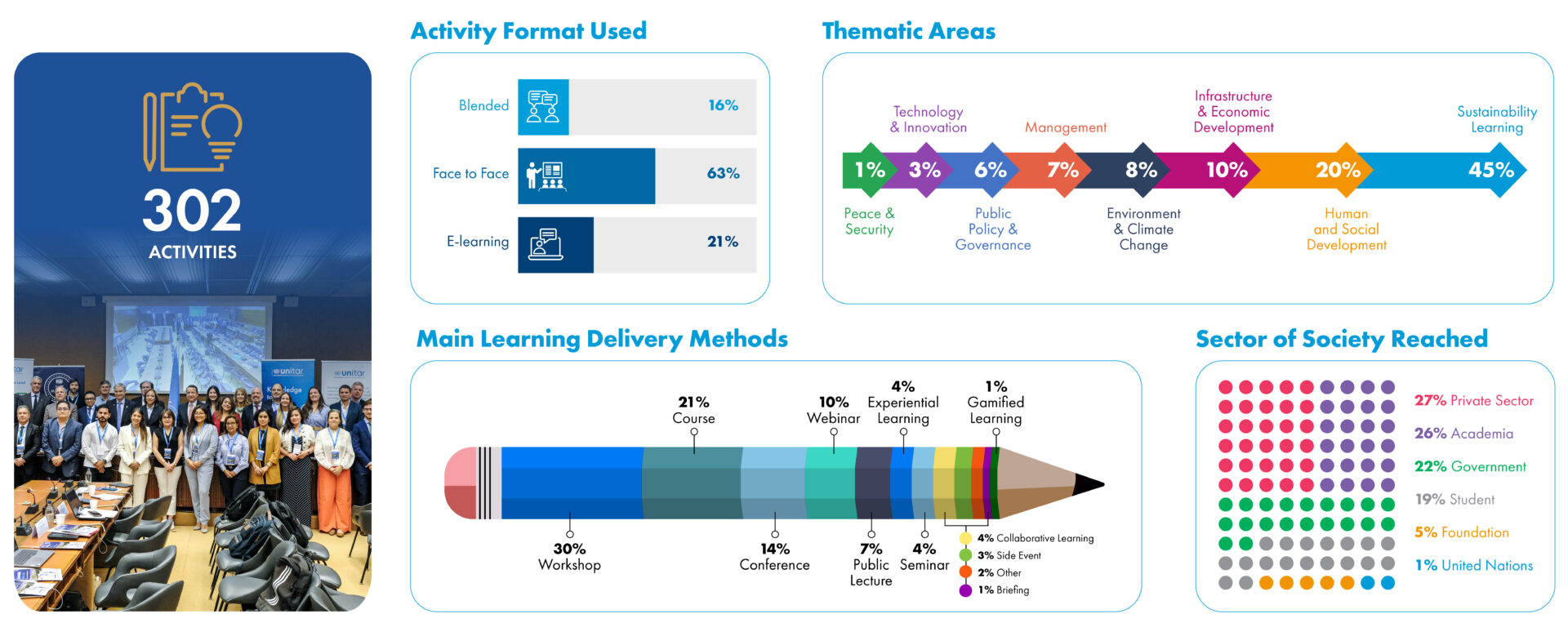
The thematic distribution of activities revealed clear priorities across the Network. Sustainability Learning remained the strongest focus, representing nearly 45% of all trainings delivered throughout the year. This was followed by Human and Social Development, which accounted for just over 20%, reflecting the continued emphasis on strengthening social systems and inclusive public services. Environment and Climate Action contributed approximately 10%, while Health and Well-Being represented around 8% of the total portfolio. Other thematic areas maintained a steady presence, with Road Safety at 7%, Economic Development at 6%, and Youth Leadership at 3%, together illustrating the breadth and diversity of the Network’s capacity-building mandate.
These proportions illustrate the Network’s ability to respond to diverse development needs while maintaining strong focus areas consistent with global and local priorities.
The 2025 beneficiary demographic exhibited balanced participation, with women representing 46% of all participants, men 53%, and a small share identifying as other, reinforcing UNITAR’s commitment to inclusive and gender-responsive capacity development.
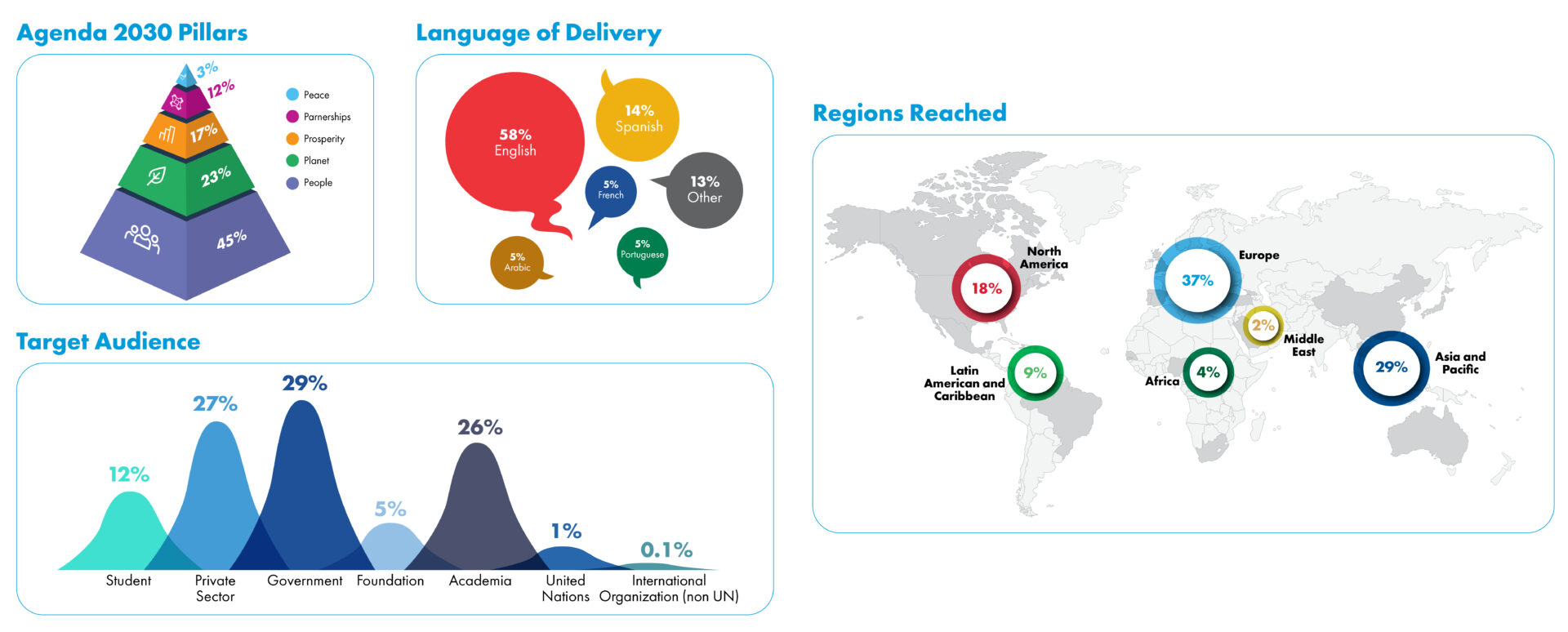
The range of event types—including in-person workshops, online training, hybrid seminars, technical forums, and multi-stakeholder learning sessions—enabled Centres to tailor delivery to local realities while expanding global reach. This combination of thematic breadth, inclusive participation, and adaptive formats underscores the CGN’s ongoing role as a unique, decentralized platform capable of mobilizing knowledge across borders and sectors.
New CIFAL Centres were established in
Bangkok, Thailand; Beirut, Lebanon; Cascais, Portugal; Singapore, Singapore; Santo Domingo, Dominican Republic, Tbilisi, Georgia.
CGN expansion in 2023
UNITAR welcomes new CIFAL Centres


CIFAL Cascais
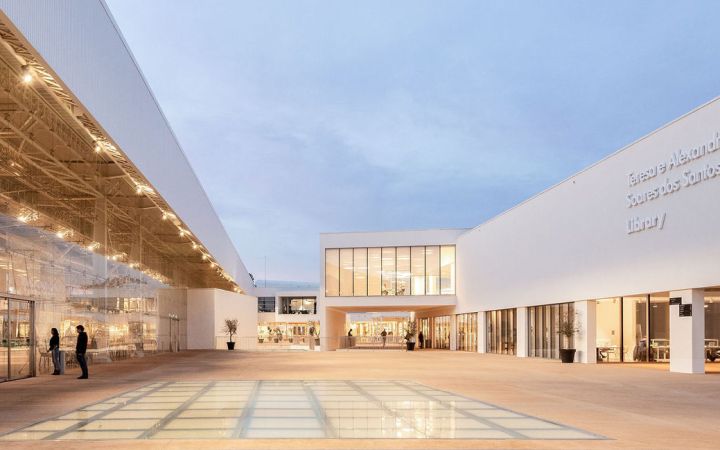
Established in 2023, CIFAL Cascais is hosted by the Nova School of Business and Economics located in Cascais, Portugal. The center provides a range of learning opportunities for empowering and training people through the transfer of knowledge and best practices, encouraging cross-sectoral collaboration through world-class training courses and research to contribute to a sustainable future.
Scope: Portuguese-speaking countries.
Thematic areas:
- Blue Economy & Water Management
- Health
- Migrations
- Innovation & Entrepreneurship
- Space
- Leadership & Paradoxes
- Energy Transition & Climate Action

Luis Veiga Martins, Executive Director of CIFAL Cascais luis.veiga.martins@novasbe.pt
Address:
Carcavelos Campus, Rua da Holanda, no. 1, 2775-405 Carcavelos, Portugal Telephone number: (+351) 213 801 600 Fax: (+351) 213 871 105
Luís Veiga Martins has a degree in Economics from Universidade Católica Portuguesa, and an MBA in Management with a specialization in Marketing, from the same University. He is the Executive Director of CIFAL Cascais and is also the Director of Sustainability at Nova School of Business and Economics, Chair of the PRME Chapter Iberia. He also carries out consultancy activities at the national and international levels. He was the General Director of CELPA – Paper Industry Association, General Director of Sociedade Ponto Verde, and President of PRO Europe, the European Association of Packaging Management Entities. Previously, he was sales director for the Portucel Soporcel group (currently The Navigator Company). His professional experience has allowed him to develop a set of skills in different fields such as sustainable development, corporate governance, business development and activities, and Public Affairs, among others.
Map
CIFAL Singapore
Scope: Asia-Pacific
Thematic areas:
• Sustainability education
• Sustainable Cities and Communities
Topics:
• Climate Change and climate impact
• Sustainable materials
• Recycling and upcycling
• Sustainability communication
• Sustainable finance
• Corporate and environmental sustainability
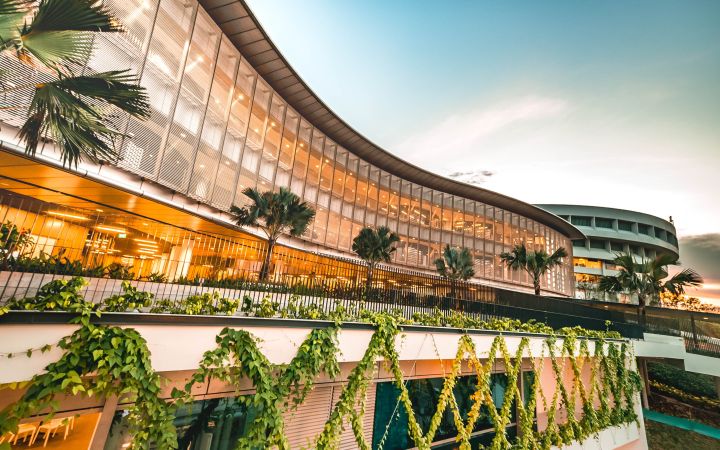

Address: Nanyang Technological University 50 Nanyang Avenue, Singapore 639798
In his research pursuits, Dr. Switzer explores into critical areas such as catastrophic marine inundation events (like tsunamis or large storms), sea level changes, and the evolution of coral reefs and tropical coastal systems. He acquired his BSc and PhD in Geosciences from the University of Wollongong, Australia, and furthered his research through an Endeavour Australia Cheung Kong fellowship at The University of Hong Kong. Adam is widely recognized as an expert in coastal science, particularly in the study of coastal hazards and Quaternary geology, where he applies diverse geophysical and geological techniques to study and reconstruct environmental changes in coastal systems across various Asian countries. His ultimate aim is to contribute to the development of safer and more sustainable communities in Asia through his research program at the Earth Observatory of Singapore, engaging in collaborations with individuals from ten Asian nations.
Map
CIFAL Bangkok
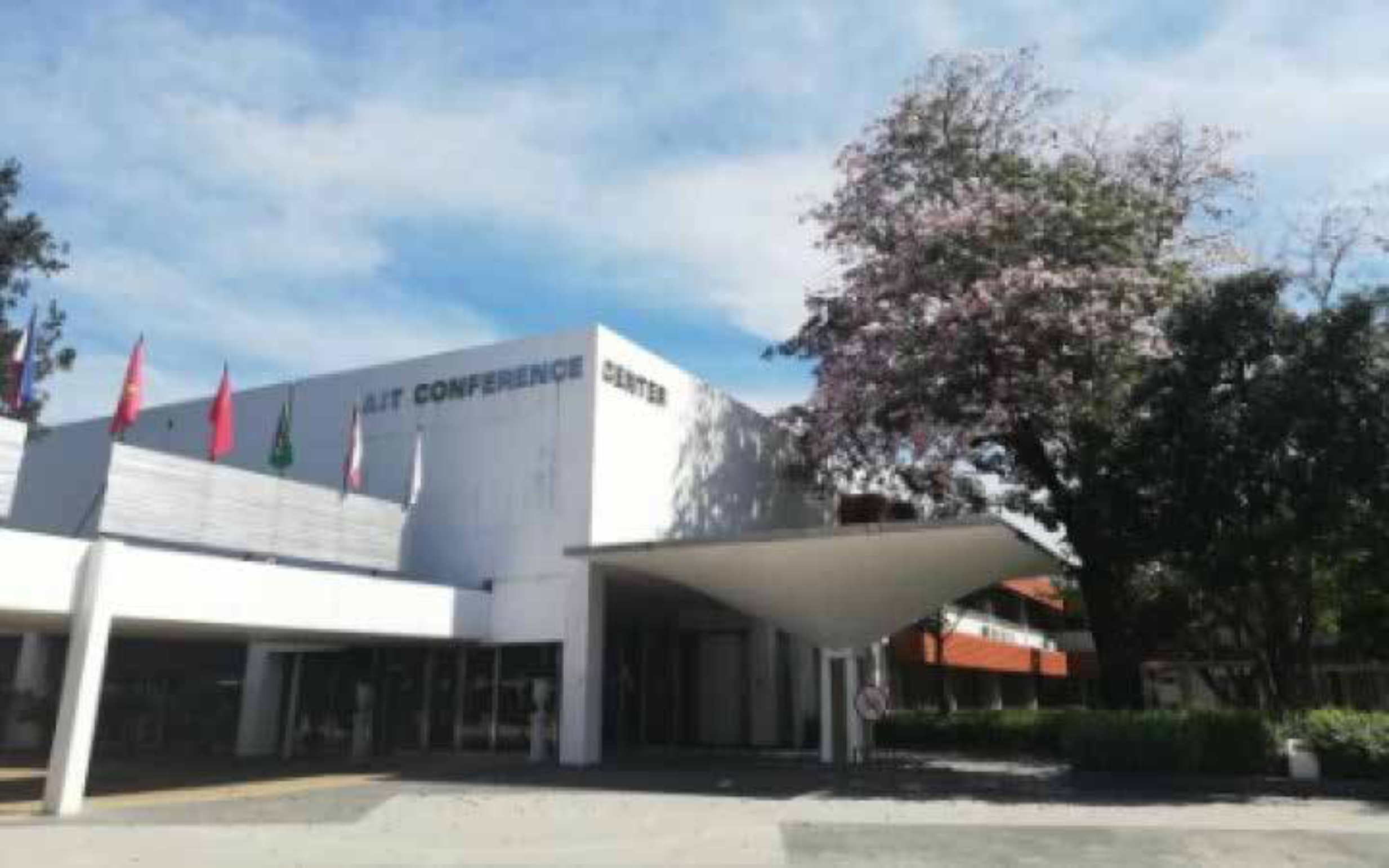
Established in 2023, CIFAL Bangkok is hosted by the Asian Institute of Technology located in Bangkok, Thailand, provides a range of learning opportunities and facilitates knowledge sharing between public servants and leaders of Asia Pacific countries to strengthen capacities, improve the decision-making process, and encourage sustainable development.
The capacity development activities of CIFAL Bangkok will focus on the following areas:
· Climate Change
· Smart Communities
· Water-Energy-Food
· Infrastructure
· Technology, Policy and Society
voravate@ait.asia
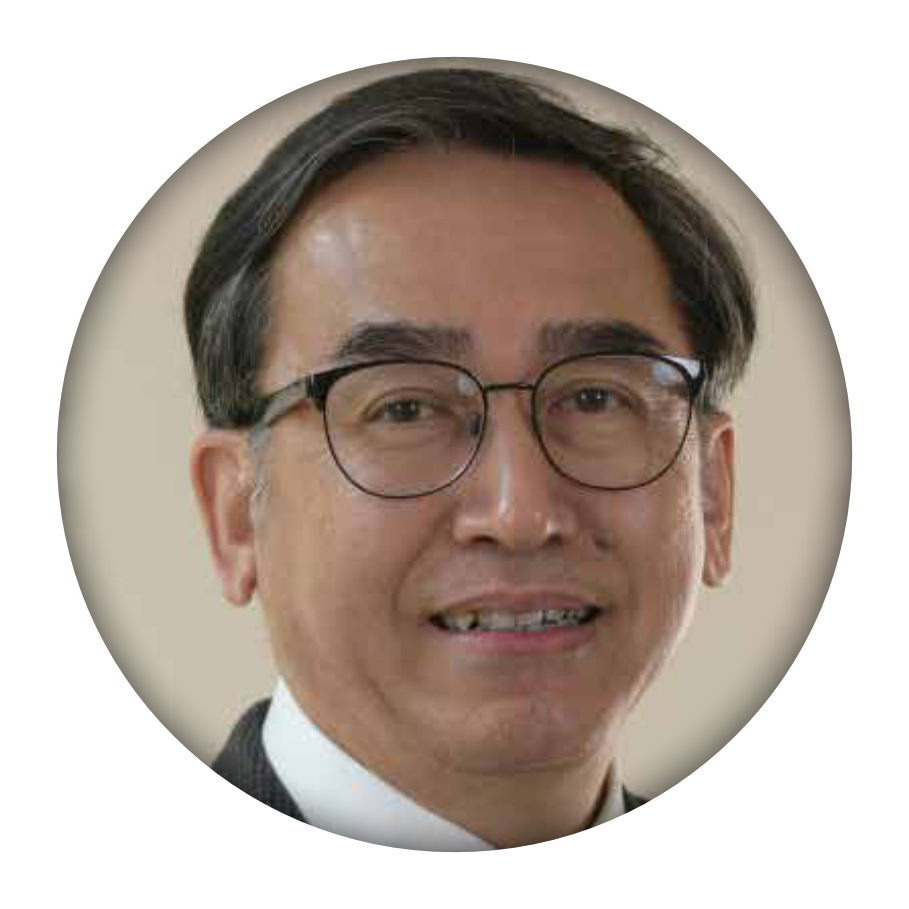
Executive Director, AIT Extension, Asia Institute of Technology
voravate@ait.asia
Address:
Km. 42 Paholyothin Highway, Klong Luang,
Pathumthani 12120, Thailand
Dr. Voravate is a key figure in capacity building programs for public sector organizations in developing countries. He leads teams in training and development across various critical areas. With a strong history of collaboration with multinational and international organizations, as well as non-governmental entities, he offers valuable advisory services.
Previously, Dr. Voravate directed impactful projects, including evaluating a physical education initiative for children with disabilities, funded by the IKEA Foundation and Special Olympic International. Dr. Voravate’s expertise extends to World Bank projects and human resource development in Laos. He maintains extensive partnerships with governmental and organizational bodies, providing advisory support to diverse entities. Holding degrees in Soil Science and Regional and Rural Development Planning, he is well-versed in this field.
He holds a B.Sc. in Soil Science fromKing’s Mongkut Institute of Technology Lad Krabang (KMITL) and an M.Sc. in Regional and Rural Development Planning from AIT School of Environment, Resources, and Development (SERD).
Map
CIFAL Tbilisi
CIFAL Tbilisi aims at providing a range of learning opportunities and facilitating knowledge sharing between CSO representatives, public servants, and leaders in the region to strengthen capacities for good governance and sustainable development.
CIFAL Tbilisi focuses on the following thematic areas:
- Economic Development
- Social Inclusion
- Youth Empowerment
- Sustainable Development Goals (SDGs)
- Along with thematic areas CIFAL Tbilisi is working on, the Center is delving into the area of integration of modern technologies in the development process.


Address: 3 Kavsadze Street, 2nd Floor, Tbilisi 0179, Georgia
Website: www.epfound.ge
Social media: Facebook and LinkedIn
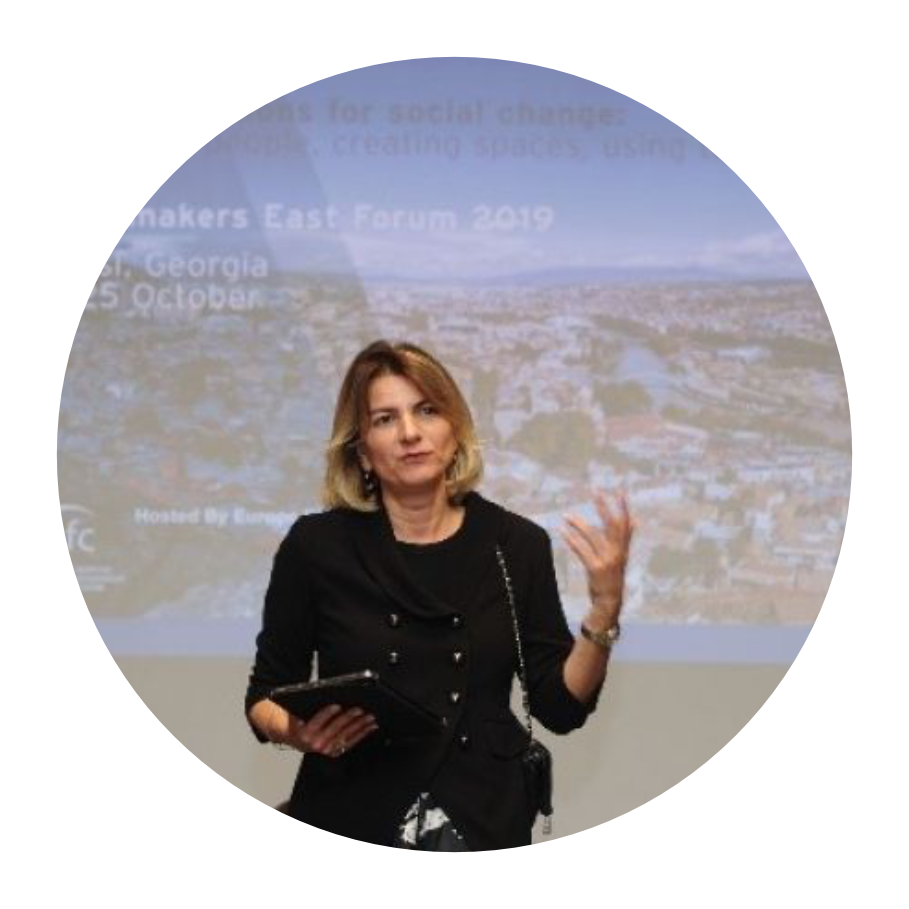
Ms. Vashakidze has consulted on various sustainable development issues governments, non-governmental organizations, the World Bank Group, UNDP in South-East Asia, UNICEF in NYC and Bolivia. She has chaired and been active on various public and non-profit boards, among them chairpersonship of GEF that promotes philanthropic work in Eastern Europe, and of the EFN that unites ten partner foundations and data-tanks from the US, Europe, and Eurasia.
Ms. Vashakidze holds advanced degrees in Social and Economic Geography, Environmental Management, and International Development from Columbia, Edinburgh, and Tbilisi State Universities. She obtained an EMBA in Global Management jointly issued by LSE, NYU, and HEC Paris and is currently pursuing an Advanced Leadership Initiative Fellowship at Harvard University.
Map
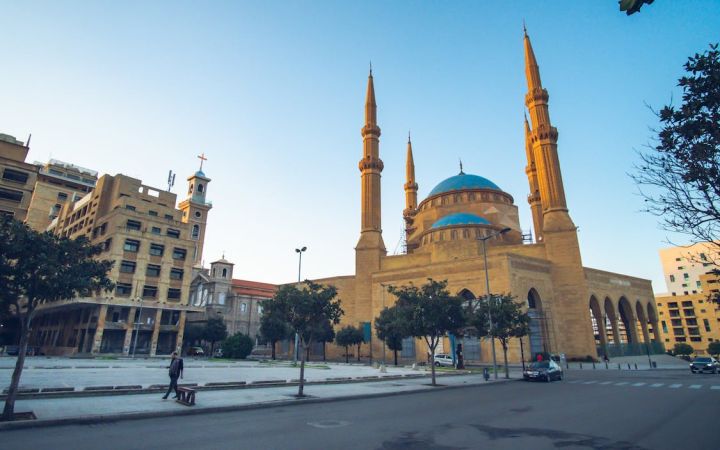
CIFAL Lebanon
The capacity development activities of CIFAL Lebanon will focus on the following areas:
- Sustainable Development
- Best practices, tools, and resources
- Social inclusion
- Gender equality
- Environmental sustainability

Azarieh Building, Azarieh Street Bloc A5- Fifth Floor, Beirut, Lebanon 11-503
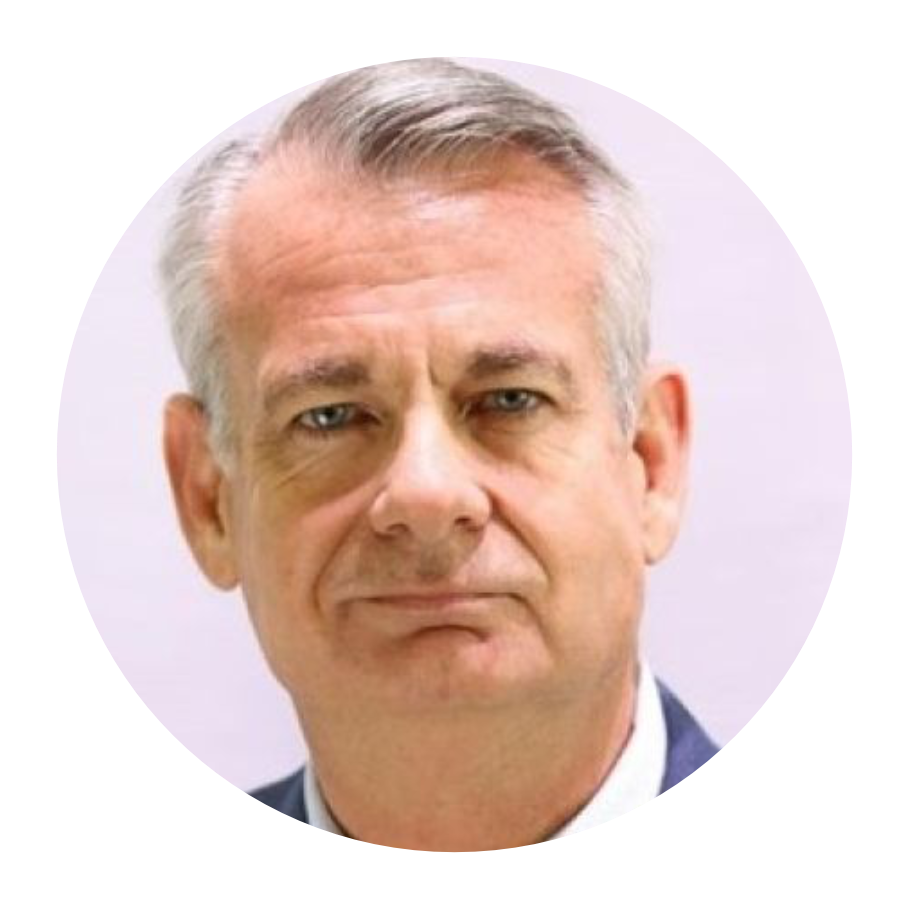
James has over 25 years of dedicated experience and expertise in global business services, sustainability, impact investment and finance. He co-founded and is currently the CEO of global business services company, ADEC Innovations, focused on Sustainability, Environmental, Social and Governance (ESG), Resiliency, Adaptability and Impact. Under his strategic guidance, ADEC Innovations has grown to encompass 4000 employees across 6 continents. Committed to promoting sustainable development and ensuring a meaningful impact on a global scale, he consistently demonstrates the harmonious balance between achieving business success and upholding environmental responsibility in both his professional and personal endeavours.
As a sustainable development advocate, he works closely with different United Nations (UN) agencies, including the United Nations South-South Cooperation and the UN Environment Programme (UNEP) on various programs, initiatives and publications, focusing on ESG, sustainability and climate change. He was awarded the 2014 United Nations Office for South-South Cooperation Visionary Award. He is the Coordinating Lead Author of the Data and Knowledge Chapter of UNEP’s 6th edition of the Global Environment Outlook 6 (GEO-6).
Map
CIFAL Dominican Republic
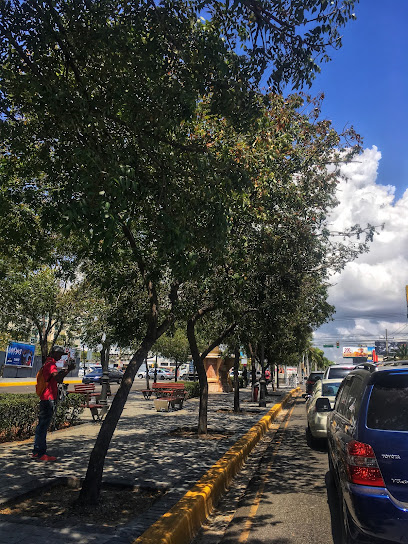
Established in 2024, the International Training Centre for Authorities and Leaders in the Dominican Republic (CIFAL Dominican Republic) is hosted by La Liga Municipal Dominicana (LMD). CIFAL Dominican Republic’s primary mission is to provide a range of research-informed learning opportunities and facilitate knowledge sharing between public servants and leaders from Central American and Caribbean countries to strengthen capacities, improve decision-making processes, and promote sustainable development. The target audience includes local, national, and regional authorities leaders from Central American and Caribbean countries representatives of international organizations, civil society organizations, private companies, and academic institutions.
Scope: Central American and Caribbean countries.
Thematic areas:
- Sustainable Development Goals.
- Risk management.
Topics: Sustainability, climate change, emergency awareness.
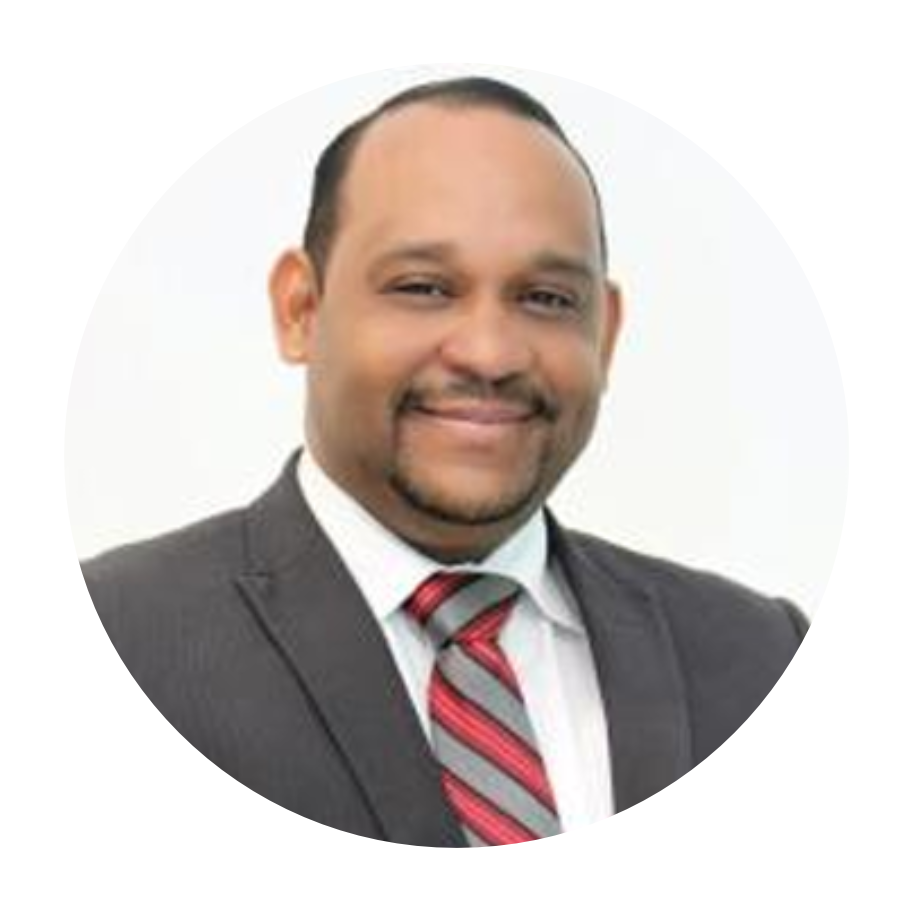
Mr. Rafael Santos
Address:
Av Enrique Jiménez Moya, Santo Domingo, República Dominicana.
Mr. Rafael Santos holds a Bachelor’s degree in Business Administration and a Master’s degree in Municipal Management and Administrative Law from the University of Castilla-La Mancha, Spain. He also holds a Diploma in International Cooperation, accredited by the Training Institute of the Ministry of Foreign Affairs, and a Diploma in City Management and Administration from Xiangxi University Vocational College of Foreign Studies in China.
With over 10 years of experience in academic and training fields, Mr. Santos has served as a facilitator and coordinator of training programs at the National Cooperative School (ENECOOP) since 2014. He has a strong background in international relations, having managed the Dominican Municipal League’s international relations for over three years and served as Deputy Director of Training and Education for Local Governments at the LMD.
Mr. Santos was Director of Cooperation with Local Governments under the Administrative Ministry of the Presidency from 2020 to 2023. He is currently the President of the Board of Directors of the Cooperative of Employees of the National Palace.
In addition to his public service career, Mr. Santos has over a decade of experience in insurance brokerage, with in-depth knowledge of the General Insurance Law 146-02, Money Laundering and Terrorist Financing Law 155-17, and Social Security Law 87-01. He holds licenses from the Superintendence of Insurance and the Superintendence of Health and Occupational Risks. Fluent in English, Mr. Santos is recognized f or his expertise across multiple sectors and his dedication to local governance and development.